
After the argument, October

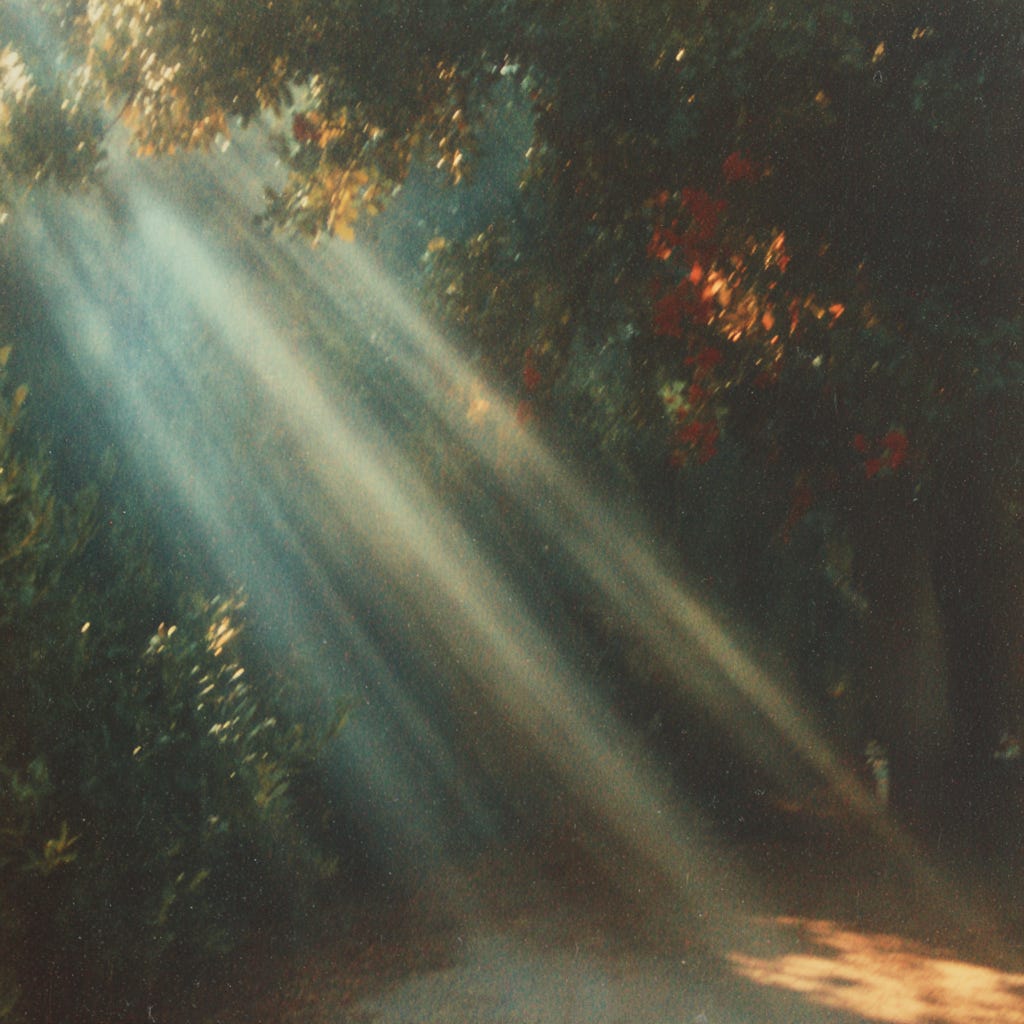
What the light does, finally, is nothing special—it falls, the way it has always fallen, through the sycamore whose leaves have begun their yearly confession, though confession implies shame, and I see no shame here, only the usual surrender that looks, from a distance, like triumph. You’ve gone walking again. The dog follows you or doesn’t follow, I can’t tell from here, the window being what it is: a frame for everything I’m not quite ready to see clearly. There’s a kind of mercy in distortion, isn’t there? The way water bends the oar that enters it, making straightness suddenly negotiable. We said things. Or rather, things got said, as if language were just another weather moving through us, leaving its damage, its strange gifts. Now the afternoon tilts toward evening, and I’m thinking of that Roman general who burned his ships upon reaching the shore—not from courage, exactly, but from a understanding that return had always been the prettier lie. The sycamore drops another leaf. Somewhere, you’re deciding whether to turn back. The light continues doing what light does: making visible what was always there, waiting to be reconciled with, or forgiven, though forgiveness, too, might be the wrong word for what happens when two people agree to stop keeping score.